



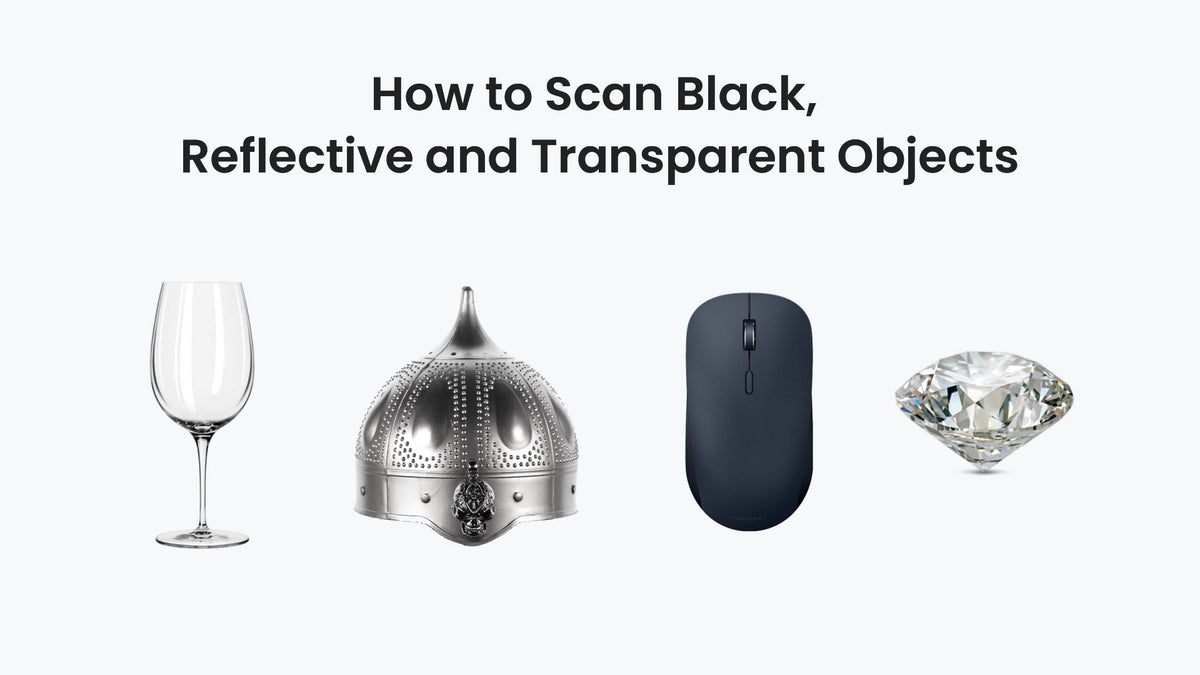
How to Scan Black, Reflective and Transparent Objects with a 3D Scanner
Scanning black, reflective, and transparent objects is possible, but these surfaces can make a normal scan less stable. The issue is not ...
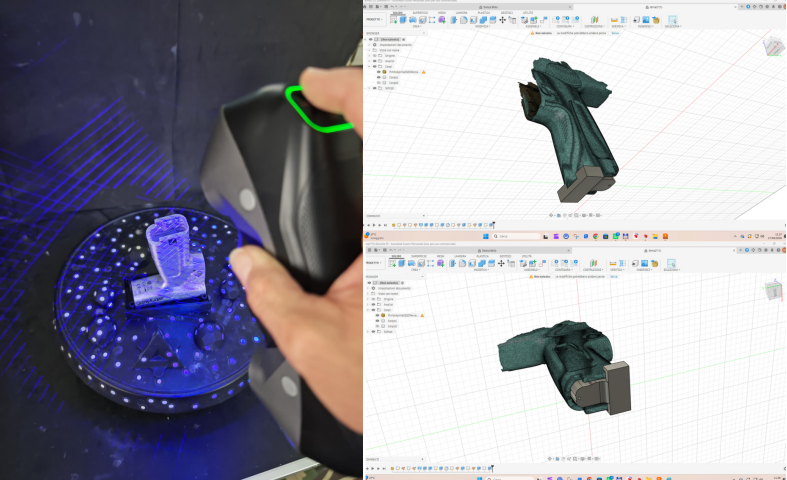
3D Scanning for Medical Equipment Repair: From Reverse Engineering to Custom Solutions
See how Daniele Pulimeno uses 3D scanning, CAD, and 3D printing to create custom tools, replacement parts, and repair solutions for medic...
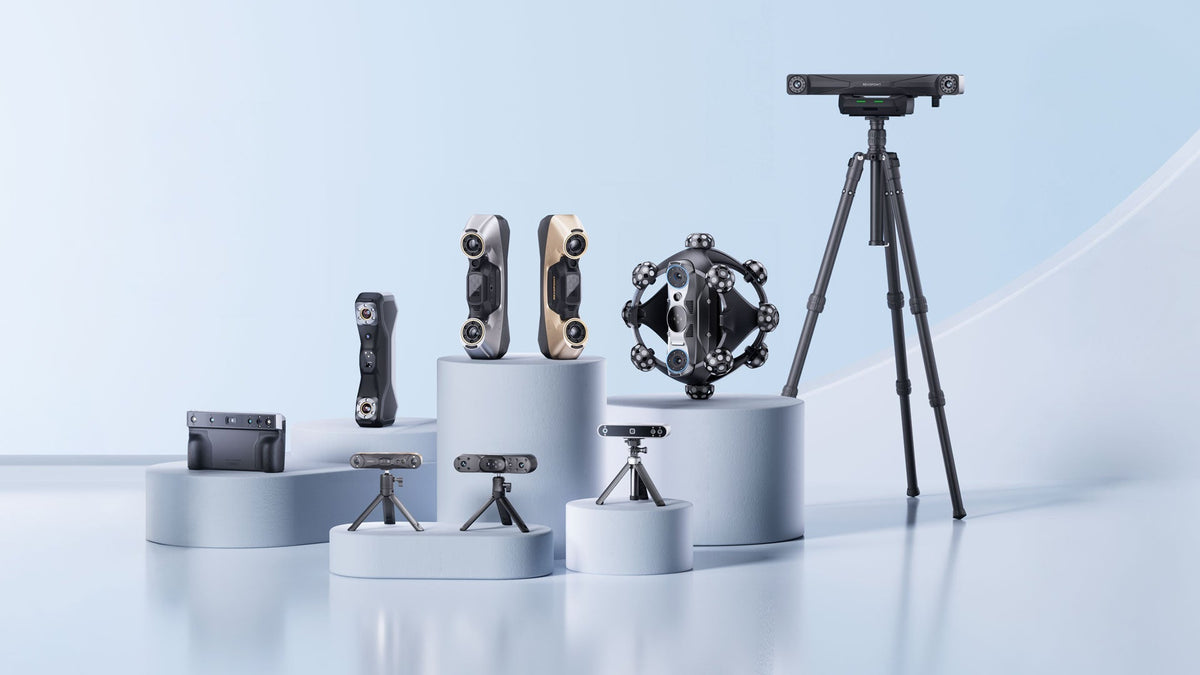
Best 3D Scanner 2026: Top Picks for Every Workflow
Choosing the best 3D scanner in 2026 starts with the object, accuracy target, surface, and workflow. A small mechanical part needs a diff...
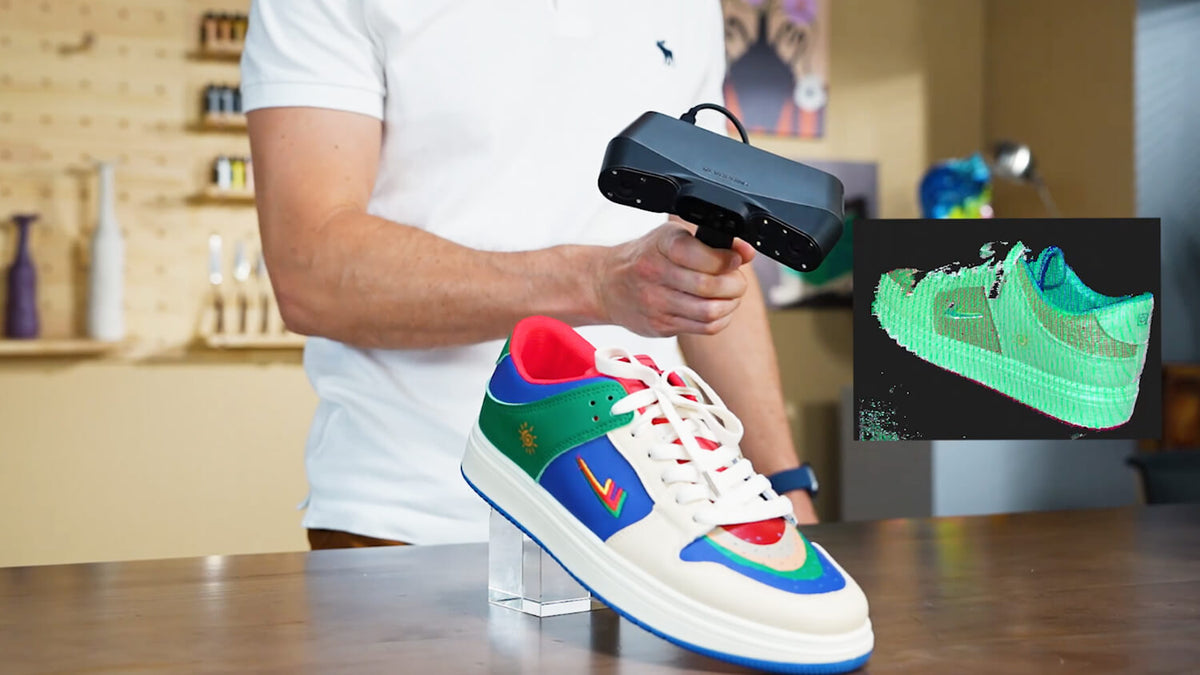
Revopoint 3D Scanners by Workflow: Which Model Fits Your Project?
Choosing a 3D scanner is easier when the workflow comes first. A metrology-led mechanical inspection, a scan around a vehicle-sized workp...

3D Scanning Case Study | From a Porsche Chassis to a Carbon-Fiber Body Kit
Learn how 3D scanning helped PrintedForFun redesign a Porsche body kit, verify fitment, and move from scan to CAD, 3D printing, molds, an...
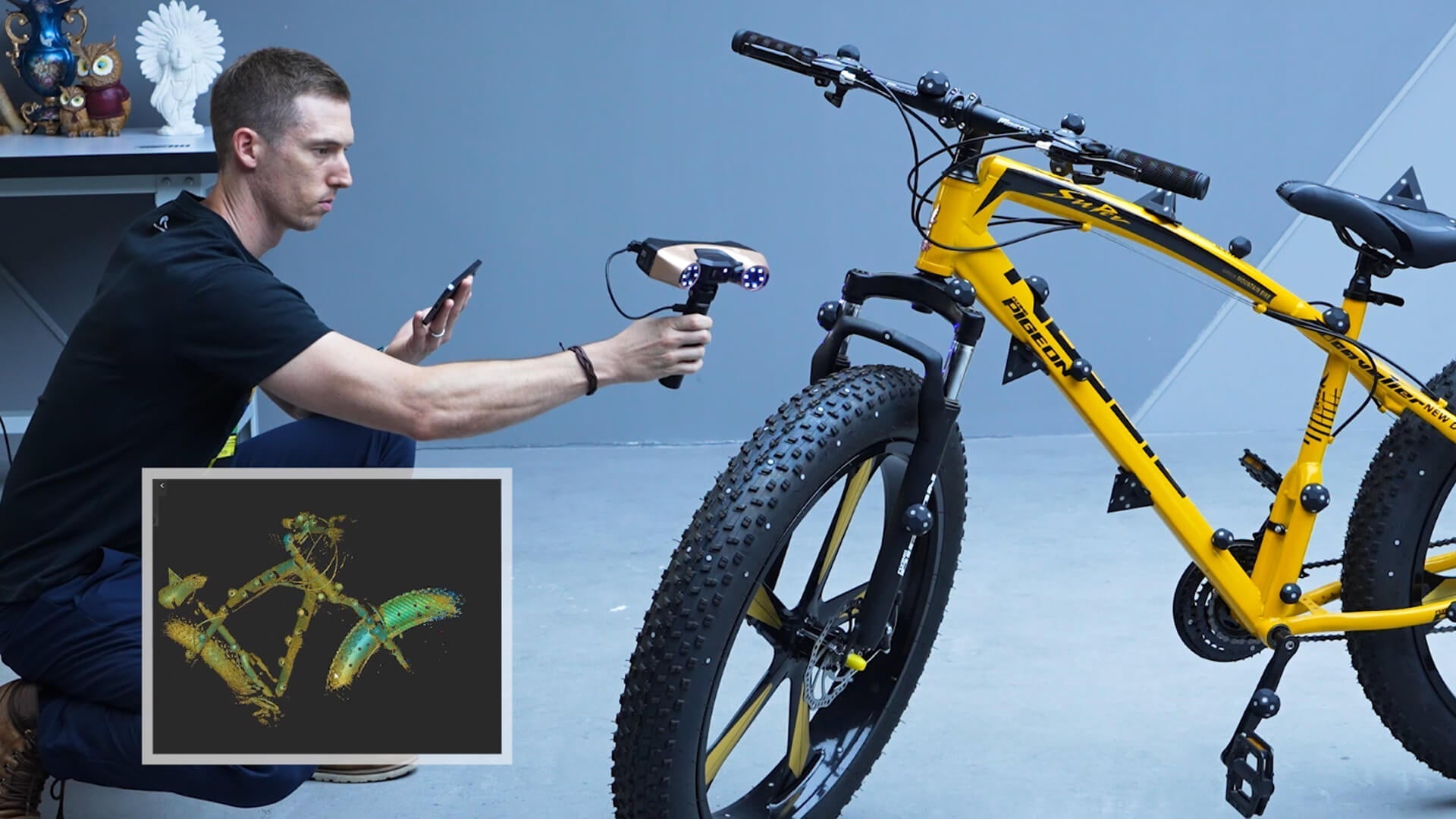
How to Choose a Professional 3D Scanner for High-Accuracy Projects
When scan data is slightly off, the real delay rarely starts during scanning. It usually appears later, when CAD needs correction, when a...

Revopoint POP 4 Review: AI-Powered Pocket Scanner That Actually Delivers
The Revopoint POP 4 has been making the rounds in maker communities, engineering forums, and 3D printing groups for a while now — and the...
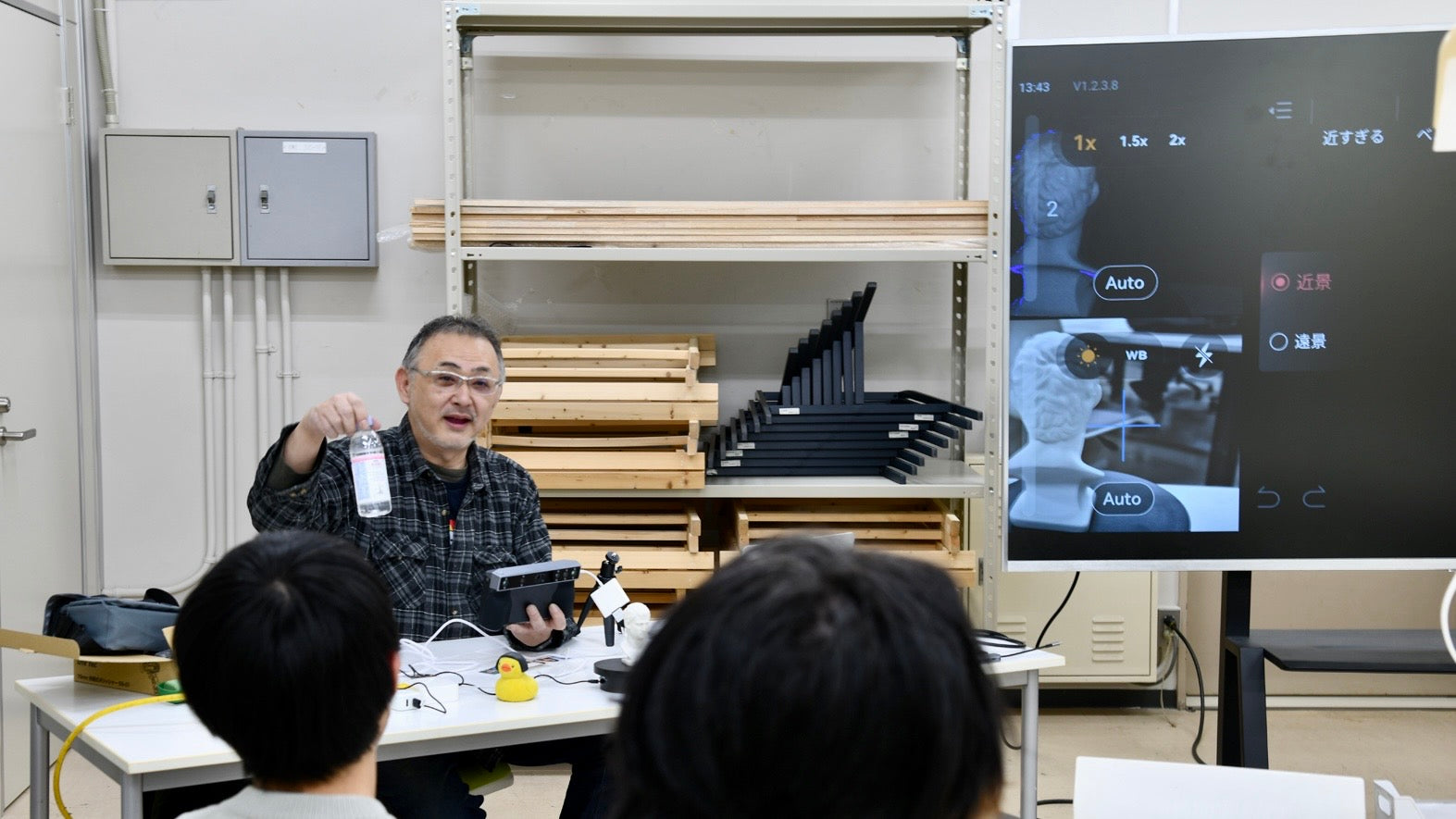
As 3D scanning technology becomes increasingly integrated into product design, mechanical engineering, and digital fabrication curricula...

How Wireless Optical Tracking 3D Scanners Change Scan-to-CAD and Reverse Engineering
There's a moment every reverse engineer knows well: you're standing in front of a large industrial casting or a vehicle chassis, and befo...

How 3D Body Scanners Support Custom Apparel Development?
Custom apparel development usually becomes inefficient long before the garment is sewn. The real problem starts when the body is simplifi...
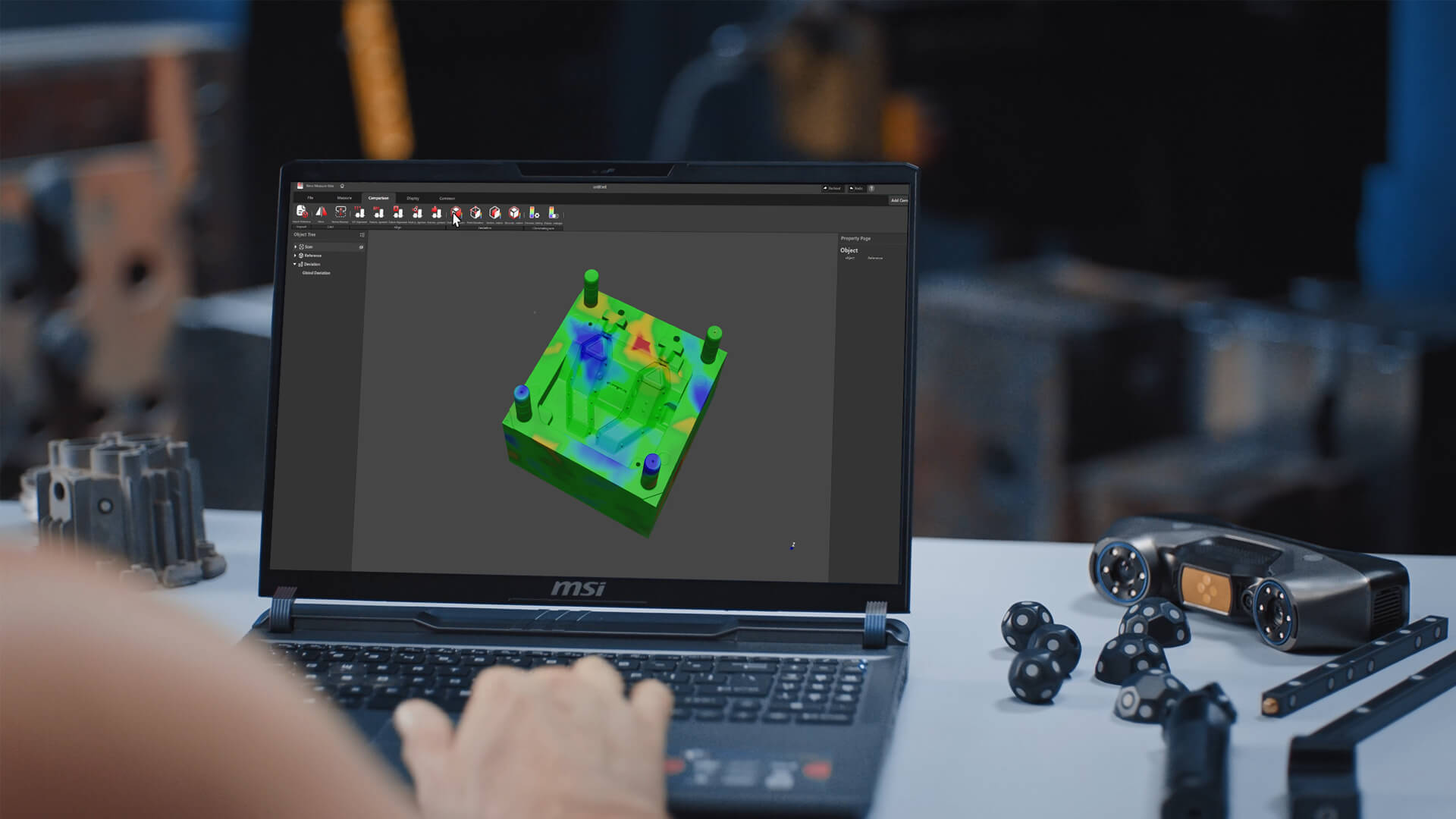
How to Scan Replacement Parts for Faster 3D Printing Turnaround?
When a replacement part fails, the delay rarely starts at the printer. It usually starts when the team has to recreate geometry from scra...
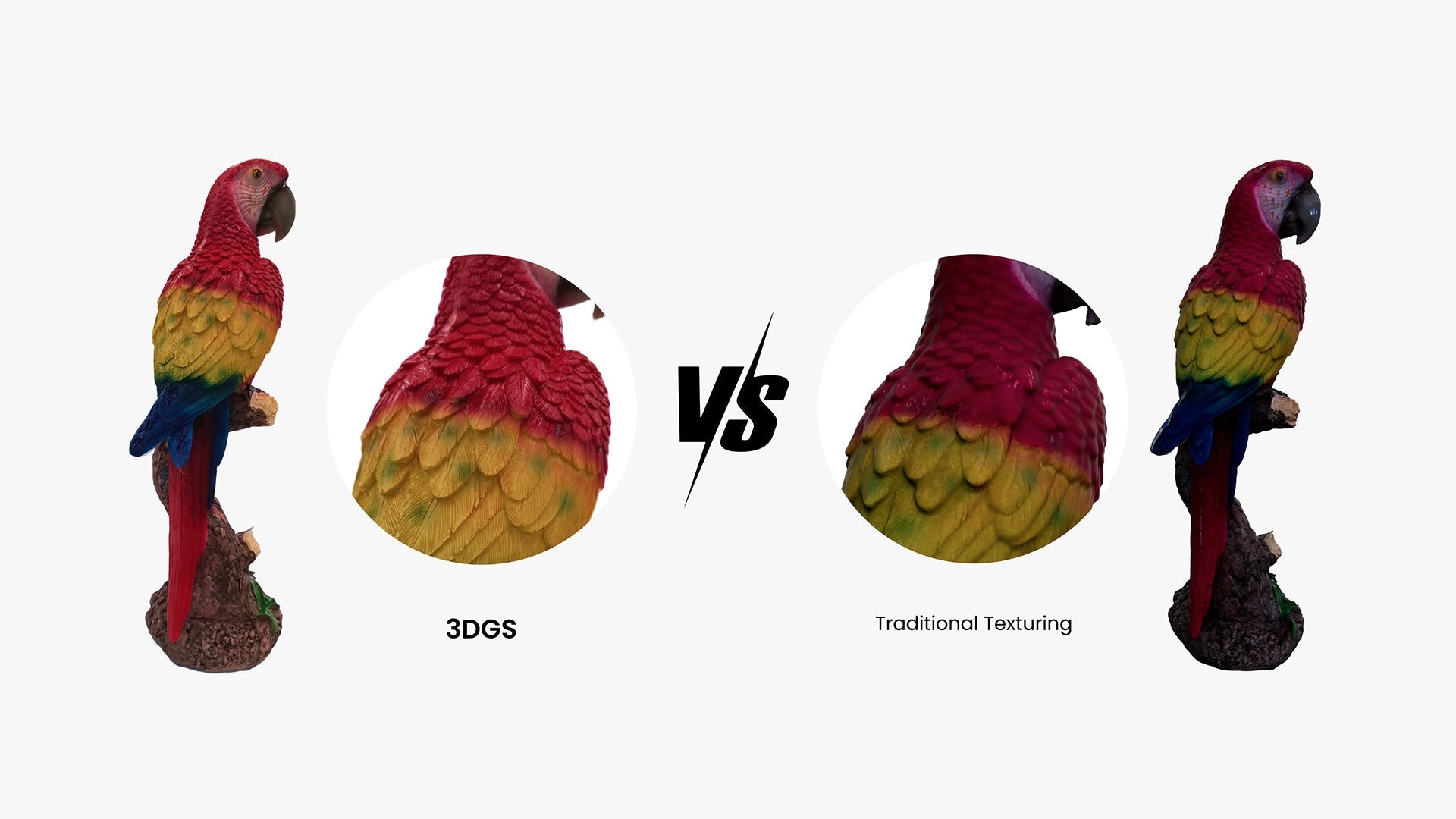
How Can You Capture Better Color Textures in 3D Scanning?
A 3D scan can be dimensionally accurate and still feel incomplete when the color looks uneven, flat, overly glossy, or disconnected from ...
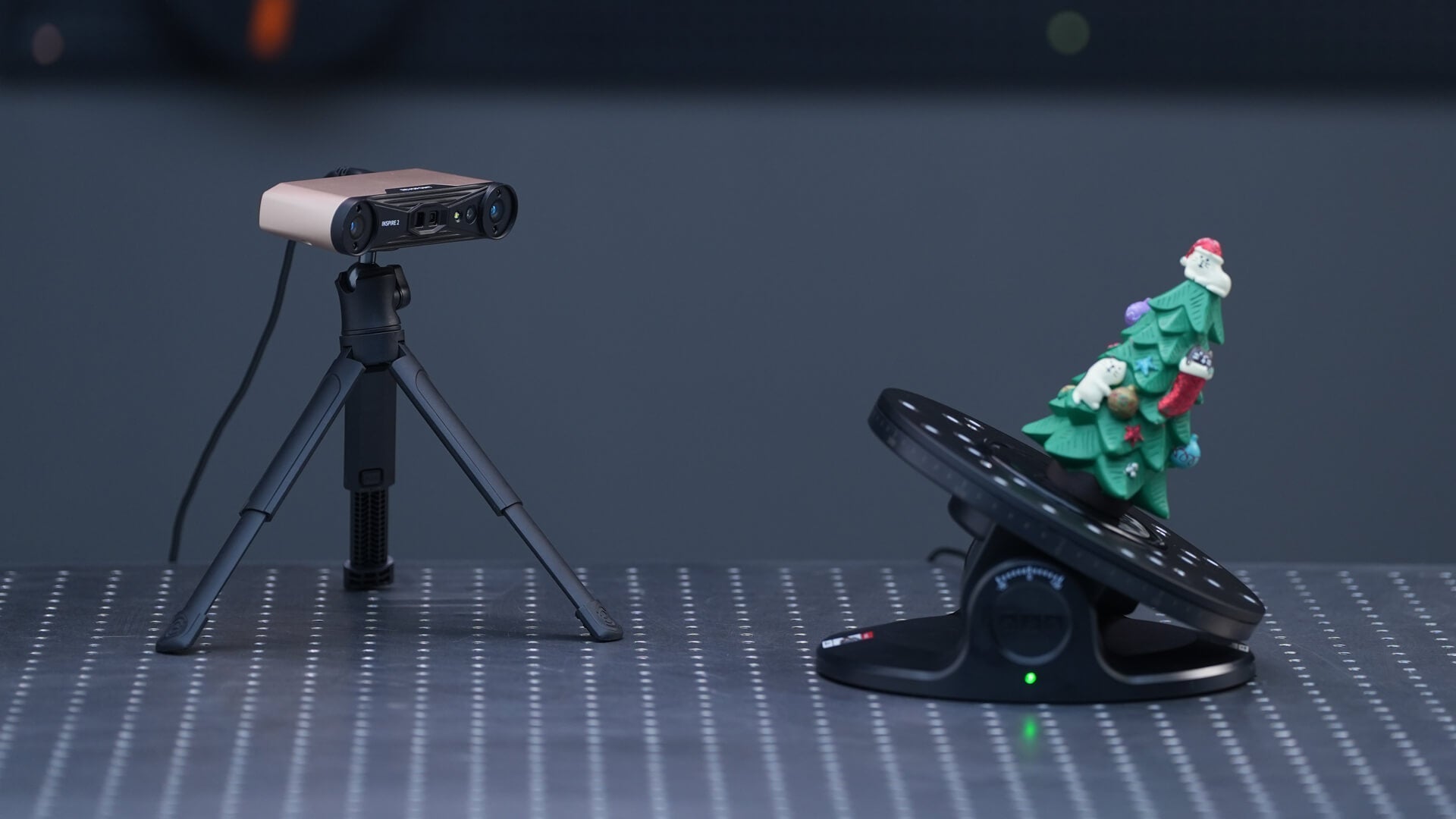
How to Choose the Right Turntable for Your 3D Scanning Setup?
A turntable can make 3D scanning far more consistent, but only when it fits the job properly. If it is too small, too light-duty, or not ...