


When scanning needs to happen where the object already is, fixed systems can quickly become impractical. Parts may be too large to move, too sensitive to relocate, or too embedded in the environment to justify disassembly. In these situations, handheld 3D scanners are often the more workable choice.
For teams exploring the applications of handheld 3D scanners for on-site and mobile projects, the real question is where portability improves workflow, speed, and usability. Across construction, manufacturing, field inspection, heritage work, and design, handheld scanning is increasingly used because it fits real operating conditions better.
Why handheld 3D scanners suit mobile work
A handheld 3D scanner moves around the object instead of requiring the object to sit inside a fixed capture area. That matters in tight spaces, active job sites, outdoor locations, and environments with limited setup time.
This makes portable scanning useful for installed machinery, irregular surfaces, and large assemblies that are difficult to move. In practice, it means less disruption, faster setup, and easier access to usable 3D data.
Industrial inspection and reverse engineering
One of the main uses of handheld 3D scanners is industrial inspection and reverse engineering outside controlled rooms. Components may already be mounted, surrounded by other parts, or difficult to measure manually with confidence.

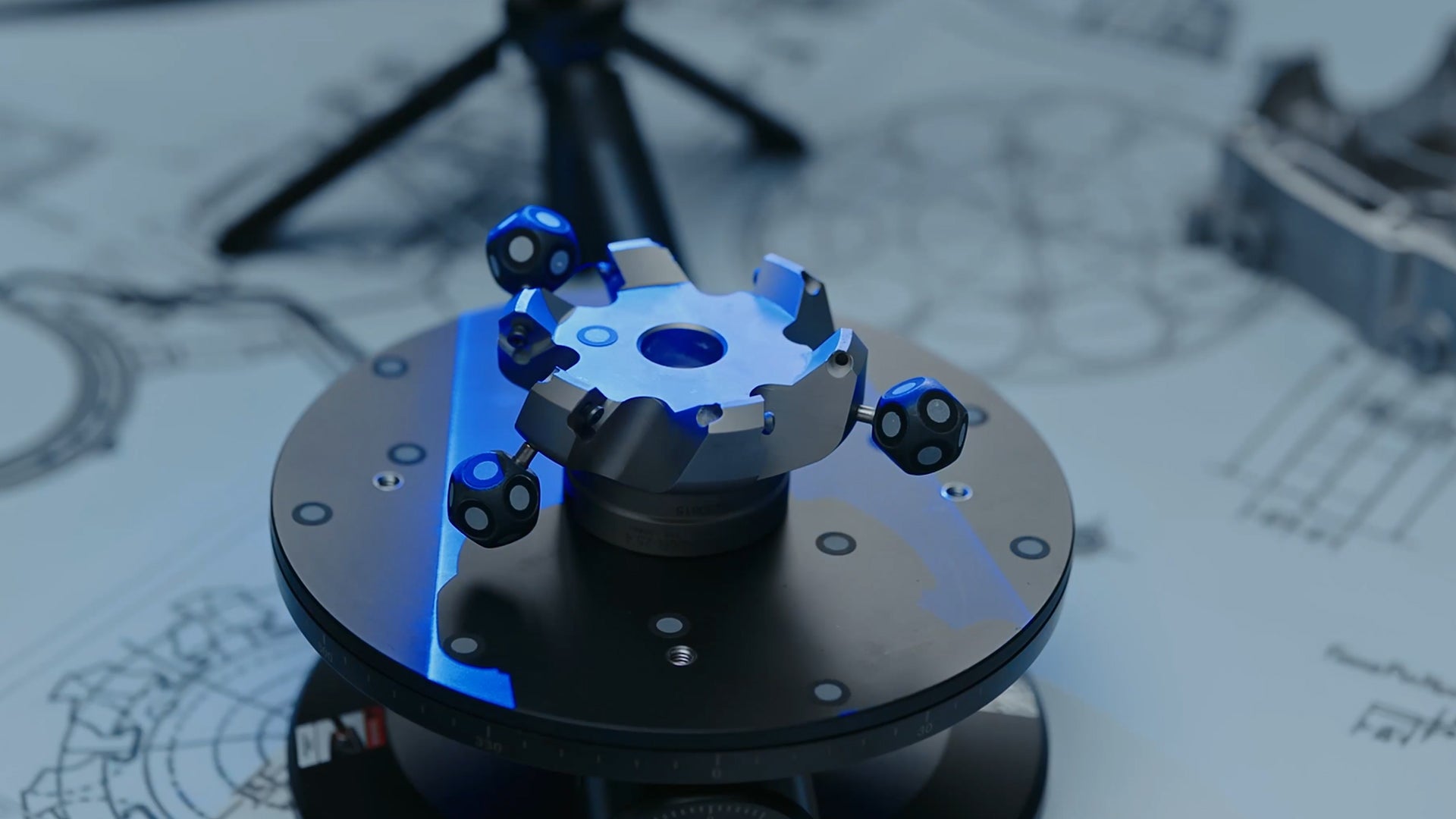
Handheld scanners help technicians capture mechanical parts, tooling, fabricated structures, and assemblies directly on the shop floor. That data can then move into CAD, inspection, redesign, or part reproduction workflows.
Revopoint’s range supports this kind of work well. MINI 2 suits fine-detail capture, while INSPIRE 2, MetroX, and MetroY Series are more aligned with broader industrial scanning and engineering workflows.
Product design and prototyping
In product design and prototyping, handheld 3D scanners help teams capture real-world shapes quickly during development. This is especially useful when working with physical mockups, handmade models, ergonomic samples, or existing parts that need to be refined in CAD.
Instead of rebuilding forms manually from scratch, designers can scan objects directly and use the data to support iteration, surface adjustment, fit checks, and concept development. This can shorten development time and improve communication between design, engineering, and production teams.
Handheld scanning is also useful when comparing prototype versions, adapting designs around existing components, or preparing models for visualization and 3D printing. For teams that move between workshop, studio, and office environments, portability makes the scanning process easier to integrate into the design workflow.
Vehicle modification and maintenance
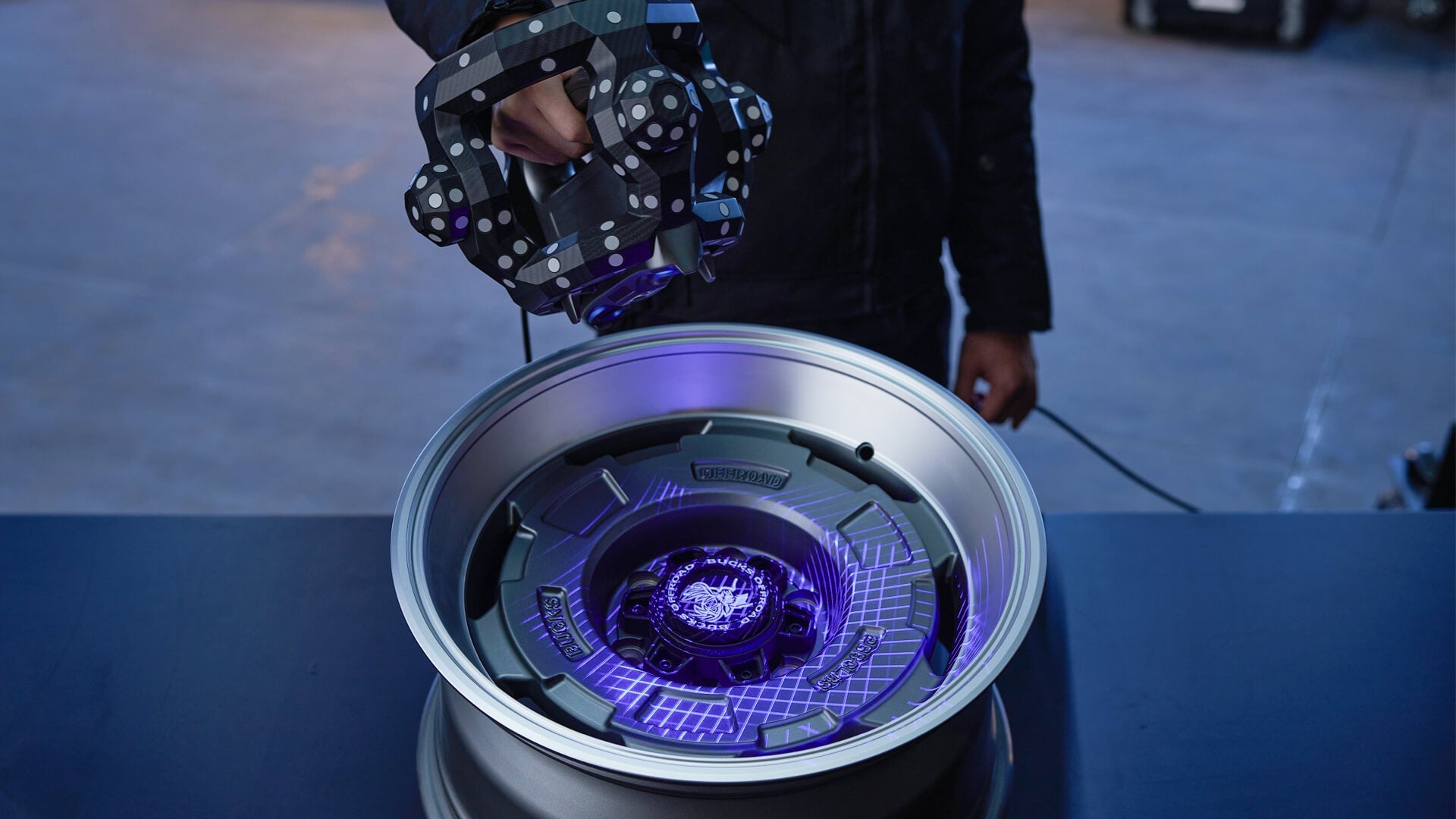
Handheld scanners are also highly useful in vehicle modification, restoration, motorsport, and maintenance work. Many parts are installed, custom-shaped, or awkward to measure with traditional tools.
Portable scanning helps capture engine bays, body panels, brackets, piping routes, and custom fitment areas directly on the vehicle. This improves the accuracy of reverse-engineered parts and reduces guesswork during fabrication.
For aftermarket and custom work, mobility is often what makes the scan practical in the first place.
Heritage preservation and archaeology
In archaeology and preservation, objects often need to be scanned where they are found or displayed. Moving them may be risky, expensive, or not possible at all.
Handheld 3D scanners allow teams to digitize artifacts, sculptures, and historical objects directly on site. This supports restoration planning, digital archiving, research, and public access through virtual collections.
For delicate or valuable objects, portable scanning is often the safest and most efficient option.
Media, art, and digital content
Handheld scanners are widely used in digital content, VFX, design, and creative production. They help creators capture real-world shapes quickly instead of building every model from zero.

Props, costumes, sculptures, furniture, and people can all be digitized for use in gaming, CGI, VR, or design development. This speeds up production while preserving realistic form.
For creative teams working on location, portability is a major advantage.
Field service and infrastructure
Portable 3D scanning is also useful in field service, infrastructure, and maintenance work. Pipelines, heavy equipment, installed systems, and remote assets are rarely suited to fixed scanning setups.
Handheld scanners help document wear, damage, deformation, and geometry changes directly on site. This supports inspection, maintenance planning, and asset documentation without extended shutdowns.
In these cases, the scanner becomes a practical field tool rather than just a modeling device.
What matters in a handheld scanner for mobile use
For on-site projects, specifications alone are not enough. Tracking stability, easy setup, practical portability, and reliable surface handling matter more in day-to-day use.
A good handheld scanner should work well across dark materials, reflective parts, mixed textures, and complex shapes. It should also fit smoothly into the software used after capture.
That is why workflow matters. Revopoint’s support through Revo Measure and Revo Design adds value for users who need scanning to connect naturally with measurement and scan-to-CAD tasks.
How to choose the right system
The best scanner depends on the actual job. Small parts, body scanning, construction spaces, and industrial assemblies all place different demands on the device.
It helps to consider object size, work environment, surface type, and intended output. Some users need visualization and 3D printing, while others need inspection, reverse engineering, or CAD-ready data.
Revopoint’s lineup covers several of these needs, from compact portable models to more advanced industrial systems, making it easier to match the scanner to the workflow.

Conclusion
The applications of handheld 3D scanners for on-site and mobile projects continue to grow because many professional scanning tasks happen outside controlled spaces. In industries such as manufacturing, construction, heritage preservation, vehicle modification, and digital production, portability often makes the workflow faster and more practical.
The value is not just that the scanner can move. It is that teams can capture useful 3D data with less setup, less disruption, and better alignment with real working conditions. For users comparing mobile scanning options, Revopoint is worth considering for its broad scanner range and connected software workflow.

Leave a comment
This site is protected by hCaptcha and the hCaptcha Privacy Policy and Terms of Service apply.